
 By Keven Galolo
Many people talk about healthy relationships, yet few explain what they actually look like.
Movies often show dramatic love stories. Social media shows perfect couples smiling in photos from places like Paris or Bali. However, real relationships rarely feel that polished.
Instead, they grow through small decisions, honest conversations, and mutual respect.
Many young adults eventually reach a moment where something feels off. Maybe communication becomes tense. Maybe trust weakens. At that point, people start searching for answers about healthy relationships.
The encouraging part is this: strong relationships are not mysterious. They rely on habits anyone can learn and practice.
This guide explains the foundations of healthy partnerships. It also shows practical ways to strengthen connection, communication, and trust.
Key Takeaways
- Healthy relationships rely on trust, respect, and open communication.
- Emotional intelligence helps partners understand each other’s feelings.
- Healthy relationship boundaries protect individuality and emotional well-being.
- Recognizing red flags in relationships prevents deeper problems later.
- Strong couples practice active listening and compromise during conflict.
- Small daily habits often strengthen relationships more than grand gestures.
- Personal growth and independence contribute to building a strong relationship.
What Healthy Relationships Actually Look Like
At first glance, healthy relationships may appear effortless. In reality, they grow through intentional choices.
A healthy relationship usually includes emotional safety. Both partners feel comfortable expressing opinions and feelings. Disagreements happen, yet they rarely turn into personal attacks.
For example, imagine two students studying at the University of Toronto. One wants to focus on career goals, while the other prioritizes travel and experiences.
A healthy relationship allows both perspectives to exist without judgment.
Several signs of a healthy relationship often appear in stable couples.
Partners listen carefully. They support each other’s goals. They also maintain personal independence while nurturing connection.
Over time, these habits create stability and emotional security.

Connect Instantly with People Worldwide!
Join thousands of conversations happening right now. Chat anonymously, make new friends, and discover exciting chat rooms.
Communication in Relationships: The Skill Most Couples Overlook
Many relationship problems begin with unclear communication.
People often assume their partner understands their thoughts without explanation. Unfortunately, assumptions lead to misunderstandings.
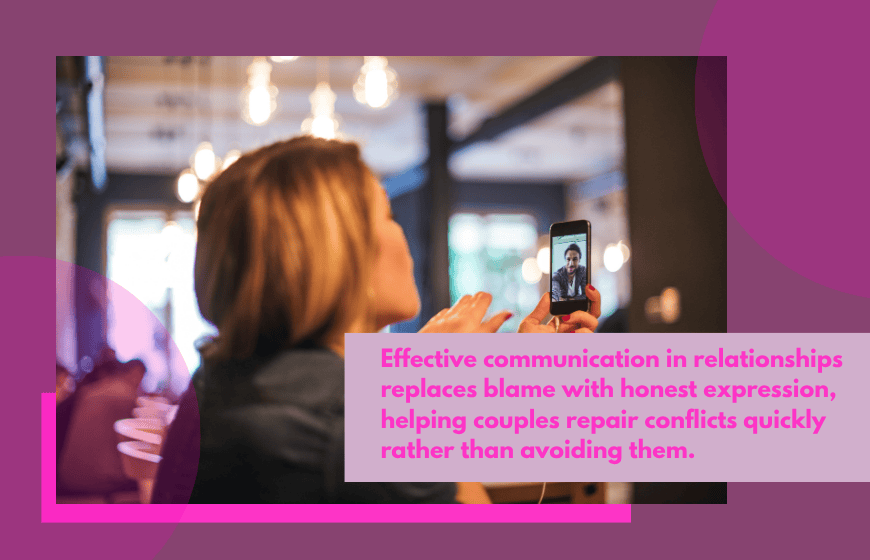
Strong communication in relationships requires direct and honest language.
For instance, consider a couple living in Los Angeles. One partner feels frustrated because the other frequently cancels plans.
Instead of saying, “You never care about our time together,” a clearer statement might sound like this:
“I feel disappointed when plans change unexpectedly.”
This simple shift removes blame and encourages conversation.
Relationship psychologist Dr. John Gottman once explained:
“Successful couples are not the ones who never fight. They are the ones who repair quickly.”
In other words, communication helps couples recover from conflict rather than avoid it.
Trust and Respect: The Core of Healthy Relationships
Without trust and respect, relationships become unstable.
Trust allows partners to feel emotionally secure. Respect ensures both individuals feel valued and heard.
When trust exists, partners do not constantly question each other’s intentions. Instead, they assume good intentions unless proven otherwise.
Respect shows up in everyday behavior.
It appears when partners listen during disagreements. It also appears when they acknowledge each other’s effort and perspective.
Healthy couples rarely try to control one another.
Instead, trust and respect in relationships create space for individuality while maintaining emotional connection.
Over time, these qualities strengthen the foundation of the relationship.
Emotional Intelligence: The Hidden Skill Behind Strong Relationships
Many people overlook emotional intelligence when discussing building a strong relationship.
Emotional intelligence involves recognizing and managing emotions—both personal and shared.
For example, imagine someone returning home after a stressful shift at a hospital in London. Their partner might notice the tension immediately.
Instead of reacting defensively to short responses, the partner responds with patience.
This awareness prevents small conflicts from escalating unnecessarily.
Emotional intelligence also improves empathy.
When partners understand emotional signals, they respond with care rather than frustration.
As a result, conversations become calmer and more productive.
Healthy Relationship Boundaries
Some people believe love requires unlimited availability. However, healthy partnerships actually rely on clear boundaries.
Healthy relationship boundaries protect personal time, emotional well-being, and individual identity.
For instance, one partner may enjoy spending weekends hiking in Colorado with friends. The other might prefer quiet evenings reading or watching movies.
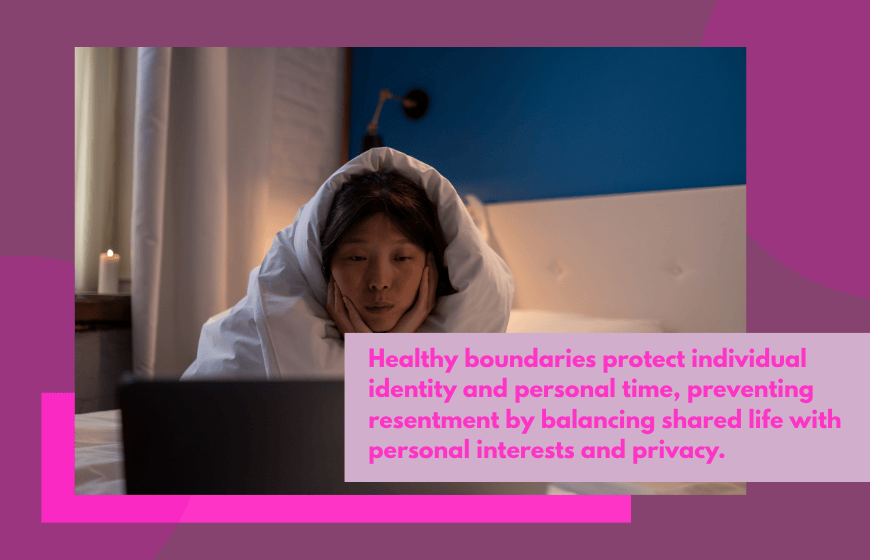
Healthy boundaries allow both individuals to maintain these interests.
Boundaries also appear in communication. Partners may set expectations around privacy, digital communication, or social commitments.
Rather than creating distance, boundaries prevent resentment and emotional burnout. They help relationships remain balanced and respectful.
Red Flags in Relationships That Should Not Be Ignored
Understanding red flags in relationships helps people avoid unhealthy dynamics.
Some warning signs appear slowly. Others emerge early but get overlooked. Common red flags often include manipulation, constant criticism, or emotional withdrawal.
Imagine a situation where one partner frequently dismisses the other’s opinions. Over time, this pattern erodes confidence and emotional safety.
Another warning sign involves controlling behavior. If one partner monitors phone messages or restricts friendships, the relationship may lack trust.
Recognizing these red flags early allows individuals to address problems before they deepen.
Healthy relationships encourage growth and independence, not fear or control.
Conflict Resolution: How Healthy Couples Handle Disagreements
Every couple eventually faces disagreements. However, the difference lies in how partners handle those conflicts.
Healthy couples focus on communication in relationships during tense moments. They listen actively rather than preparing arguments.
For example, consider a couple running a small café in Melbourne. Financial stress creates tension between them.
Instead of blaming each other, they discuss the problem together. They analyze options and search for solutions collaboratively.
Healthy conflict resolution often includes compromise.
Both partners acknowledge their role in the situation. They work toward a shared solution rather than personal victory.
Over time, this approach strengthens trust and teamwork.
Practical Tips for Healthy Relationships
Healthy relationships grow through consistent habits rather than dramatic gestures.
Simple behaviors often create meaningful connection.
Regular appreciation helps partners feel valued. Small phrases like “thank you” or “I appreciate that” reinforce emotional support.
Spending intentional time together also strengthens connection.
Some couples schedule weekly dinners or walks through Central Park. Others plan monthly activities, like visiting museums or trying new restaurants.
These small rituals keep relationships active and engaging.
When people follow these tips for healthy relationships, emotional closeness tends to improve naturally.
A Quick Self-Check for Relationship Health
Sometimes it helps to pause and evaluate a relationship honestly. Consider a short mental checklist.
Do both partners feel comfortable expressing opinions? Do disagreements lead to understanding instead of resentment? Do both individuals maintain personal independence while supporting each other?
These questions provide clues about relationship health. Some readers even turn this into a personal quiz.
Answering honestly can reveal areas that need attention. Small awareness often leads to meaningful improvement.
Challenges Couples Often Face
Even strong relationships face obstacles. Work pressure, financial concerns, and personal stress often affect communication.
For example, someone preparing for exams at Harvard or managing deadlines at a tech startup in San Francisco may unintentionally withdraw emotionally.
Partners may misinterpret this distance as disinterest. Understanding external stress helps prevent unnecessary conflict.
Healthy couples discuss stress openly rather than letting frustration build silently. This awareness protects emotional connection during difficult periods.
Building Healthy Relationships Over Time
Strong relationships rarely happen instantly. They develop through repeated effort and mutual understanding.
Couples gradually learn each other’s communication styles, emotional needs, and personal boundaries.
Over time, these insights strengthen the relationship. Healthy partnerships feel less like constant excitement and more like stable teamwork.
Two people grow individually while supporting each other’s journey. When partners commit to growth, relationships often become more secure and fulfilling.
Many people search for answers about healthy relationships when something feels uncertain.
In reality, the foundation often comes down to communication, trust, and respect.
Relationships improve when partners listen carefully, express emotions honestly, and maintain clear boundaries.
While challenges will always appear, strong relationships rely on consistent effort and empathy.
Small daily actions—kind words, patience, and understanding—often make the greatest difference. Over time, these habits shape relationships that feel supportive, balanced, and resilient.
FAQs
What are the signs of a healthy relationship?
Healthy relationships include trust, open communication, mutual respect, emotional safety, and support for individual growth.
How can I build a healthy relationship?
Focus on clear communication, emotional awareness, respect boundaries, and consistently support your partner.
Why is communication important in relationships?
Communication helps partners express needs, resolve conflict, and prevent misunderstandings.
What are common red flags in relationships?
Red flags include manipulation, constant criticism, lack of respect, controlling behavior, and emotional withdrawal.
Why are boundaries important in relationships?
Boundaries protect personal space, prevent resentment, and maintain emotional balance between partners.
Can relationships improve over time?
Yes. With effort, communication, and mutual understanding, relationships can grow stronger and more stable.