
 By Keven Galolo
How everyday media can turn small talk into real connection
Why Media Is the Easiest Conversation Starter
In today’s world, almost everyone engages with some form of media—whether it is streaming series, popular music, or viral content online. Because of this, media has become a shared language that people can easily use to start conversations.
Unlike personal topics, which may feel too sensitive at the beginning, talking about movies or music creates a safe and neutral space. It allows people to interact comfortably without pressure. In many ways, media acts as a social bridge: it connects individuals without requiring them to reveal too much too soon.
At the same time, it offers opportunities to move into deeper conversations when used thoughtfully.
The Psychology Behind Shared Interests
From a psychological perspective, people naturally bond through shared experiences. Even something as simple as discussing a television show can create a sense of connection.
Research shows that shared activities—whether active or passive—can increase trust and emotional closeness. When two people enjoy similar content, they often feel understood, which helps conversations flow more naturally.
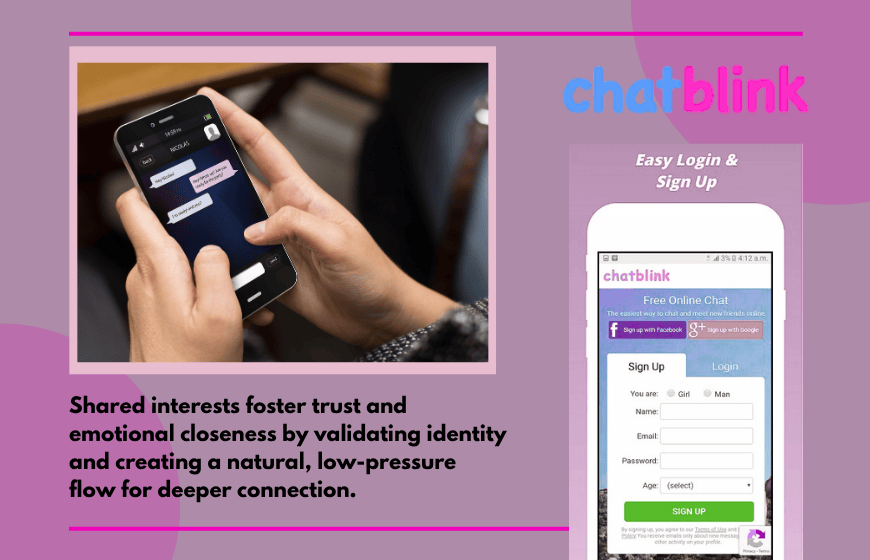
Media also reflects identity. For example, someone who enjoys independent films may value creativity, while another person who prefers mainstream entertainment may prioritize fun and excitement. These preferences often reveal subtle aspects of personality.
1. Start With a Simple, Low-Pressure Question
At the beginning, it is best to keep things easy and direct. Casual questions invite participation without making the other person feel judged.
You might ask:
“Have you watched anything good lately?”
“I’m thinking of starting a new series—would you recommend one?”
These types of questions are effective because they focus on opinions rather than personal details. They also allow the other person to guide the conversation naturally.
2. Use “Hot Takes” to Encourage Honest Opinions
Once the conversation is flowing, you can introduce more engaging questions. A “hot take” encourages people to share stronger opinions.
For example:
“What’s a popular movie you think is overrated?”
“Is there a show everyone loves, but you don’t understand?”
People often enjoy expressing unique viewpoints. This not only makes the conversation more dynamic but also reveals how they think—whether they follow trends or challenge them.
3. Ask About Guilty Pleasures
Guilty pleasure questions can quickly make conversations more relaxed and genuine. They create a space where people feel comfortable sharing something slightly embarrassing but harmless.
Try asking:
“What’s a song you love but wouldn’t usually play in public?”
“Do you have a comfort movie you watch over and over?”
These questions often lead to laughter and openness. They also provide insight into emotional preferences, since music and movies are often tied to memory and mood.

Connect Instantly with People Worldwide!
Join thousands of conversations happening right now. Chat anonymously and discover exciting chat rooms.
4. Introduce Hypothetical Scenarios
When the interaction becomes more comfortable, hypothetical questions can add creativity and depth.
For example:
“If you were stuck on an island, which artist would you bring?”
“If you could live inside any movie world, which one would you choose?”
These questions require imagination and reveal personal values. Someone who chooses calm, relaxing content may value peace, while someone drawn to action may prefer excitement.
5. Turn Preferences Into Stories
To deepen the conversation, move from simple answers to storytelling. Ask follow-up questions that explore the reasons behind preferences.
For instance:
“What made you like that show so much?”
“When did you first hear that song?”
Stories naturally involve emotions and experiences, which helps build a stronger connection. They also create a natural flow, where one story leads to another.
6. Pay Attention to Patterns
Although media conversations seem casual, they can reveal meaningful patterns.
Fast-paced content may suggest energy and spontaneity
Emotional or slow content may reflect depth and sensitivity
Nostalgic favorites can indicate strong personal memories
However, it is important not to overanalyze. These patterns should be seen as general signals, not fixed conclusions.
7. Shift Toward Personal Topics
At some point, the goal is to move beyond media and connect on a more personal level. This transition should feel natural.
For example:
“You seem to enjoy character-driven stories—do you relate to that?”
“You mentioned liking calm music—do you prefer quiet environments too?”
This approach keeps the conversation connected while gradually focusing on the person rather than the content.
Talking about music, movies, or trending shows is not just about entertainment—it is a practical way to build connection. Media works well because it is familiar, flexible, and easy to discuss.
Start with simple questions, then gradually introduce more depth. Listen carefully to responses, and use them to guide the conversation forward.
In the end, media is only the starting point. What truly matters is how you use it to understand and connect with the person in front of you.
FAQs
1. Why is talking about movies or music a good conversation starter?
Because it is neutral, familiar, and easy for most people to relate to without feeling pressured.
2. How do you avoid awkward silence in conversations?
Start with simple questions about shared interests like shows or music, then build from their responses.
3. What are good questions to ask about media?
Ask things like “What are you watching lately?” or “What’s a movie you’d recommend?”
4. How can I make conversations more interesting?
Use opinions, “hot takes,” or hypothetical questions to make discussions more engaging.
5. Can media conversations lead to deeper connections?
Yes, especially when you follow up and turn answers into personal stories.
6. What if the other person hasn’t seen the same content?
Focus on general preferences like genres, music taste, or themes instead of specific titles.
7. When should I shift to personal topics?
Once the conversation flows naturally, use their answers to transition into more personal questions.