
 By Keven Galolo
Dating apps have completely transformed the way we look for connection. On any given night, millions of people log on and start swiping, but everyone is playing a completely different game. One person is scrolling through profiles hoping to find their future spouse, while the user right next to them is just killing time during a commercial break or looking for a quick confidence boost after a rough week.
The reasons you use these platforms matter far more than you think. Your underlying motives don’t just dictate who you swipe right on; they actively shape your mental well-being, shift your self-esteem, and determine whether you walk away from the experience feeling energized or totally burnt out. If you have ever felt like why online dating is so hard is an understatement, the root cause is almost always a hidden clash of expectations between users.
Let’s unpack the real psychological drivers behind modern digital dating, see how your goals impact your emotional health, and look at how to approach your screen with intention.

The 13 Core Motivations Behind Digital Dating
Psychologists categorize user behavior on dating platforms into a framework called the “Tinder Motives Scale.” While these drivers fit into four main themes, they break down into 13 very specific reasons why people build profiles.
Romantic & Physical Pursuits
- 1. The Search for Long-Term Commitment: The traditional romance path. Users are looking for true compatibility, meaningful partnerships, and a relationship that lasts.
- 2. Casual Intimacy: Using platforms to secure physical connections, short-term flings, or casual encounters without the weight of emotional expectations.
Social Desires & External Influences
- 3. The Ego Boost: Chasing the instant gratification of a match notification. The digital validation acts as a quick dose of social approval that temporarily lifts your mood.
- 4. Cultural Conformity: Joining simply because it feels like everyone else is doing it. When dating apps dominate modern pop culture, people download them just to stay culturally relevant.
- 5. Friend Groups and Recommendations: Creating an account purely because friends or family members nudged, encouraged, or playfully forced you into setting it up.
- 6. Expanding Social Networks: Seeking platonic interactions. Some users utilize apps strictly to make new friends, find activity partners, or have pleasant conversations.
Personal Growth & Emotional Rebounds
- 7. Sharpening Social Skills: Treating low-stakes chat boxes as a training ground. It is a brilliant, zero-pressure environment for learning how to start a conversation and testing out witty opening lines.
- 8. Safe Spaces for Identity Exploration: Finding a secure environment to connect with people of similar sexual orientations, which can feel much safer and more accessible than navigating physical spaces.
- 9. Getting Over a Breakup: Using fresh faces as a temporary emotional bandage to stop thinking about an ex-partner.
Boredom Buster & Idle Curiosity
- 10. Travel Exploration: Dropping a pin in a brand new city to chat with locals, get insider recommendations, or find a tour buddy while on vacation.
- 11. Entertainment: Treating the interface like a mobile video game. Users swipe simply because it is an interactive way to pass the time when they have nothing else to do.
- 12. Daily Procrastination: Opening the application as a quick escape hatch from high-stress work tasks or monotonous study sessions.
- 13. Pure Curiosity: Logging on purely to figure out how the matching algorithms work and to see who is currently active in the digital neighborhood.
How Hidden Motives Quietly Shape Your Well-Being
Being honest about your personal goal is crucial because different intentions create completely different emotional outcomes.
When two individuals connect with fundamentally mismatched goals—like a serious relationship-seeker matching with a user who is just cureing their afternoon boredom—it causes massive frustration, leading to ghosting and app fatigue. If you want to bypass the heavy pressure of traditional matchmaking entirely, checking out vibrant free online chat rooms can offer a much more laid-back, fluid way to meet people naturally.
Psychological studies reveal that logging on with intense romantic pressure or solely chasing physical hookups can actually increase a user’s fear of remaining single, which frequently triggers spikes in daily anxiety and isolation. Even worse, if you use the platform primarily as a tool for validation, you are significantly more likely to develop an unhealthy, compulsive attachment to your phone screen.
Why Quality Always Outranks Quantity
Here is a massive secret that the algorithms do not want you to know: your emotional success on these apps has nothing to do with the actual numbers. It depends entirely on your perceived success.
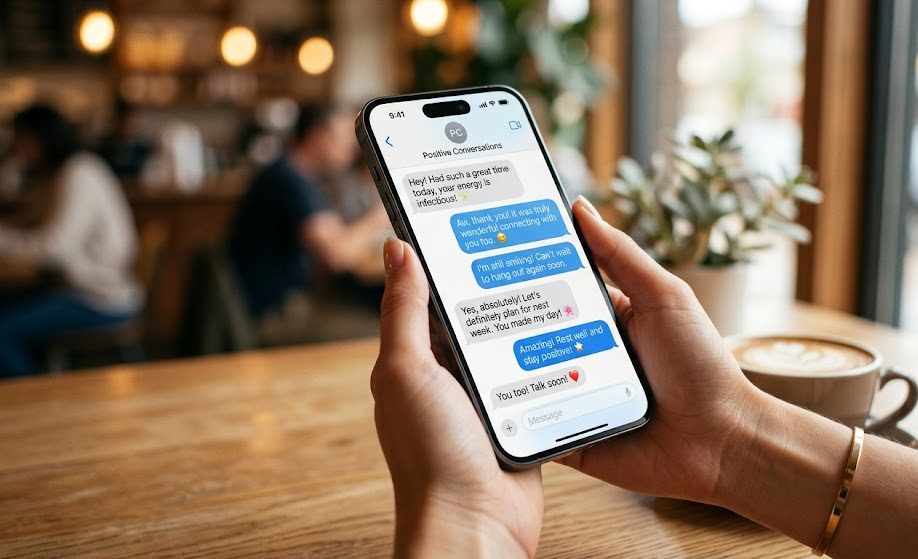
Data proves that self-esteem and happiness are not tied to how many total matches sit in your queue. Instead, they track how fulfilled you feel by the quality of your chats.
A user who collects dozens of dry, superficial matches every single week will often feel profoundly lonely. On the flip side, someone who only gets a single match but shares a genuinely engaging, funny, and profound chat will experience a massive spike in confidence and happiness.
To win the digital dating game, you have to stop looking at it like a scoreboard. Shift your focus away from the volume of interactions and start celebrating the micro-wins, such as:
- Building an authentic profile that honestly captures your real personality.
- Discovering the knack for how to kill awkward silence during a lively banter.
- Enjoying a light-hearted, memorable chat with an interesting stranger.
The 60-Second Mindful Check-In
Before you tap that app icon again, take a brief moment to ground yourself. Look at these reflection questions based on your current mindset, and answer them honestly to protect your mental real estate:
- Are you hunting for true romance? Ask yourself: “Am I approaching this platform with a sense of genuine curiosity, or am I putting immense pressure on myself to find a soulmate right this second?”
- Are you seeking casual connections? Ask yourself: “Do these brief interactions leave me feeling happy and satisfied, or do they leave me feeling slightly disconnected afterward?”
- Are you trying to socialize? Ask yourself: “Am I building real human connections here, or am I using my phone as a crutch instead of putting myself out there in the physical world?”
- Are you seeking an ego boost? Ask yourself: “Does this validation build genuine, lasting self-worth, or is it just a temporary rush that vanishes the moment I put my phone away?”
- Are you just exploring out of curiosity? Ask yourself: “What am I genuinely hoping to learn about myself and other people through my interactions today?”