
 By Keven Galolo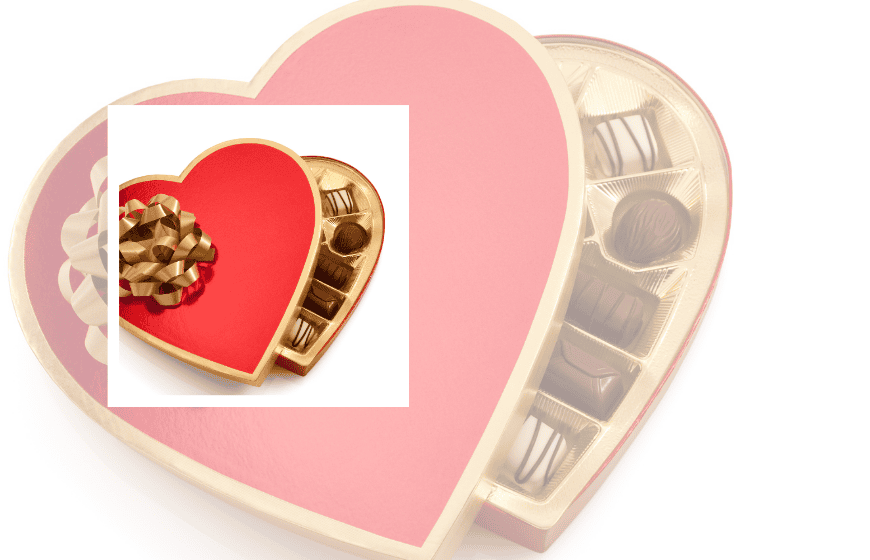
A simple idea in Victorian England turned chocolates into a global symbol of romance.
Let’s talk about the first Valentine’s Day candy box. Some people become curious about it after building a relationship online. What starts as simple chats on Chatblink can grow into something real, and eventually lead to celebrating occasions like Valentine’s Day together.
Many people buy a heart-shaped box of chocolates every February. The red package feels timeless, almost like it has always existed. Yet the story of the first Valentines Day box begins with one clever idea in Victorian England.
The modern Valentines Day chocolate box was not simply a romantic gesture. It was also a smart piece of marketing. A young chocolate maker named Richard Cadbury created it in the mid-nineteenth century and changed how people celebrate Valentine’s Day.
Understanding how this happened reveals something interesting. A simple package design helped shape an entire holiday tradition.
The first Valentine’s Day candy box was introduced by Richard Cadbury around 1861 in Victorian England. He designed decorative, heart-shaped boxes to package chocolates, turning them into romantic gifts and creating a tradition that continues worldwide today.
The Problem Chocolatiers Faced in the 1800s
In the early 1800s, chocolate companies faced a practical challenge. They could produce more chocolate than ever before, yet they struggled to sell it consistently.
The Cadbury family ran a growing chocolate company in England. Their business expanded quickly after improvements in cocoa processing made chocolate smoother and more appealing. However, the company needed new ways to attract buyers.
At the same time, Valentine’s Day cards were becoming popular in Britain. People began exchanging romantic notes and small gifts during the holiday. Chocolatiers noticed the opportunity but lacked a memorable way to present their products.
Richard Cadbury and the First Valentine’s Day Box
Around 1861, Richard Cadbury introduced what many historians consider the first Valentines Day box. Instead of selling loose chocolates, he placed them inside a decorated heart shaped box made from elegant paperboard packaging.
The design looked different from anything on store shelves. Cadbury used illustrations of flowers, cupids, and romantic scenes on the lid. Because the box itself looked beautiful, many buyers kept it after eating the chocolates.
This small detail mattered. The decorative paperboard box turned a simple treat into a meaningful gift. Soon customers began shopping for your sweetheart with chocolates packaged inside Cadbury’s romantic boxes.
As Richard Cadbury reportedly understood, presentation could sell a product just as effectively as taste.
Why the Heart-Shaped Box Was So Powerful
The heart shaped box of chocolates worked because it connected emotion with product design. People already associated hearts with love and affection.
When buyers saw the bright package, they immediately linked the chocolates with romance. That emotional connection made the gift feel more personal.
The box also served another purpose. After finishing the chocolates, many people reused the container to store letters, jewelry, or keepsakes. This extended the life of the product and kept the Cadbury brand visible inside the home.
As marketing ideas go, it was remarkably effective.

Connect Instantly with People Worldwide!
Join thousands of conversations happening right now. Chat anonymously and discover exciting chat rooms.
How Paperboard Packaging Changed Chocolate Sales
The invention of decorative paperboard packaging played a major role in Cadbury’s success. Before that time, most sweets were sold in plain containers or simple wrappers.
Cadbury’s decorated packaging elevated chocolate from an everyday snack into a special occasion gift. As a result, Valentine’s Day chocolate sales increased across Britain.
Other companies quickly noticed the trend. Soon the wider chocolate industry began producing its own heart shaped boxes filled with sweets.
Within a few decades, the concept spread beyond England. By the early twentieth century, Valentine’s Day boxes appeared in stores across Europe and the United States.
From Victorian Marketing to Modern Valentine’s Traditions
Today the tradition feels almost universal. Every February, store shelves fill with red boxes of chocolates decorated with hearts.
Yet this custom traces directly back to Richard Cadbury’s original idea. His decorative package transformed chocolate into a symbol of romantic gifting.
Modern brands still rely on the same concept. Attractive packaging makes a product feel meaningful, even when the contents remain simple.
In other words, the success of the first Valentines Day box still shapes the way companies market gifts today.
Common Misconceptions About Valentine’s Day Chocolate Boxes
Some people assume the heart-shaped chocolate box appeared naturally as part of Valentine’s Day traditions. However, history suggests otherwise.
The tradition grew from a marketing innovation rather than a long-standing holiday custom. Richard Cadbury recognized that romantic packaging could increase demand for chocolate.
Another misconception involves mass production. Early Cadbury boxes were carefully designed and decorated. They looked more like small works of art than modern factory packaging.
This attention to design helped the product stand out during the Victorian era.
Real-World Example of Cadbury’s Influence
Even today, many well-known chocolate brands use the same packaging strategy.
Companies such as Cadbury, Russell Stover, and Godiva continue selling chocolates in heart-shaped boxes every Valentine’s Day season. While the designs vary, the concept remains identical to Cadbury’s original idea from the nineteenth century.
The result is a powerful example of how packaging design can create lasting cultural traditions.
Why This Invention Still Matters Today
The success of the first Valentines Day box demonstrates how creativity and marketing can transform an ordinary product.
Chocolate itself was already popular. However, the romantic packaging turned it into a seasonal symbol of love.
Because of that innovation, millions of people now associate Valentine’s Day with a simple gesture: giving someone a box of chocolates.
The next time you see a heart-shaped box of chocolates, you are looking at a tradition that began with one inventive chocolatier and a clever piece of packaging design.
FAQs
Who invented the first Valentine’s Day candy box?
Richard Cadbury introduced the first decorative heart-shaped chocolate box in the 1860s.
Why are Valentine’s chocolate boxes heart-shaped?
The heart shape symbolizes love and romance, making the gift more meaningful.
When did Valentine’s chocolate boxes become popular?
They gained popularity in the late 19th century and spread globally in the early 20th century.
Why did Richard Cadbury create the chocolate box?
He wanted to increase chocolate sales by making the product more appealing as a gift.
Did people reuse Valentine’s boxes in the past?
Yes, many people kept them to store letters, jewelry, and personal items.
Are modern Valentine’s chocolate boxes based on Cadbury’s idea?
Yes, most modern designs still follow the same concept introduced by Cadbury.